

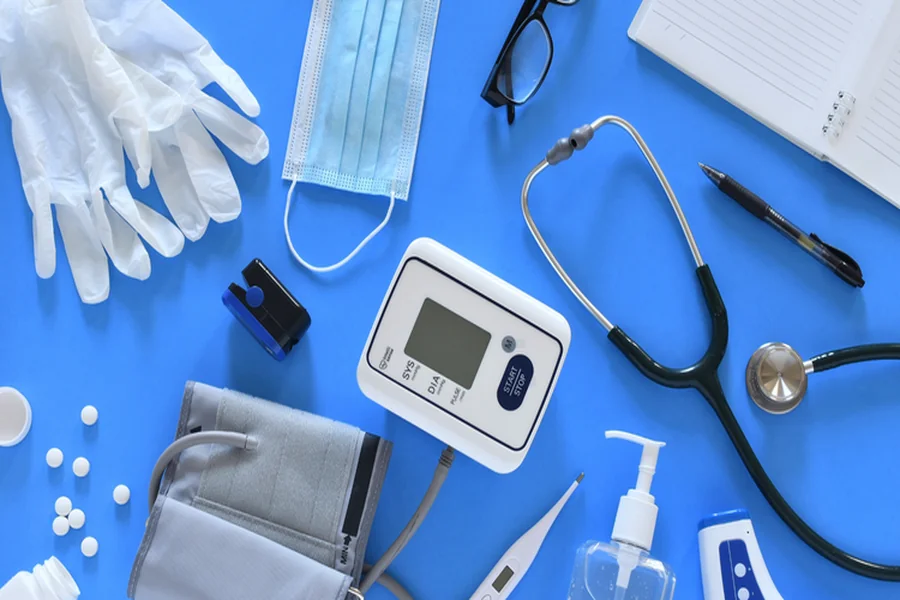
Your mother has a habit of paying the neighbourhood chemist in cash and keeping nothing but the medicine strip. Over three weeks of tests, scans and specialist visits for her gallbladder, the spending adds up to a fair sum. Then the surgeon books her in, the hospital bill goes to the insurer, and someone asks what happens to everything spent before admission.
The Weeks Before Admission Count Too
Pre-hospitalisation cover pays for medical costs in the days before you’re admitted, as long as they relate to the illness that put you in hospital. Doctor consultations, scans, blood tests and medicines bought while the problem was being diagnosed can all be claimed under it.
Most health insurance plans include it as standard. What decides its real value is how far back your health insurance plan reaches, commonly 30 to 60 days, along with any limits attached to it. A generous window and sensible limits are the part worth insisting on.
Its partner, post-hospitalisation cover, handles follow-up costs after discharge, usually over a longer period. Many policies extend both benefits to day care procedures too, such as cataract surgery or chemotherapy, where you don’t stay overnight.
How Small Bills Turn Into a Large Sum
No single bill looks alarming. A specialist visit here, an ultrasound there. Added up, though, these can reach ₹15,000 or ₹20,000 before treatment proper has begun.
Older patients usually face a longer list. Doctors often want a fuller workup before admitting someone in their seventies, particularly when diabetes or heart trouble is involved. A short window or a tight sub-limit can leave a large share of that spending unpaid, so the pre-hospitalisation terms deserve a careful read when you compare health insurance for senior citizens.
Expenses That Typically Qualify
As long as they link to the condition you were admitted for, policies generally pay for:
- Consultation fees for doctors and specialists
- Diagnostic tests such as blood work, X-rays, ultrasounds and MRI scans
- Medicines prescribed for that condition
These costs count against your sum insured, and some plans add a separate cap for pre-hospitalisation, either a fixed amount or a percentage of the sum insured. Even when the hospital bill is settled cashless, the earlier expenses are usually claimed as a reimbursement.
When This Part of the Claim Won’t Be Paid
Pre-hospitalisation cover depends on the hospital claim being accepted. If the admission falls within a waiting period or under an exclusion, the costs leading up to it generally won’t be paid either.
Spending on unrelated problems is also left out, so a cough syrup for a cold that same week won’t be added to a gallbladder surgery claim. Bills dated before the window don’t count: with a 30-day limit, a scan done 40 days earlier usually stays with you.
If Admission Never Happens
Sometimes the reports come back clear, or the doctor decides tablets at home will do. Without a covered hospital stay, these expenses become outpatient costs, which many standard policies don’t reimburse unless you’ve added OPD cover. Check whether yours has it before assuming every scan will be refunded.
Reading Your Policy for the Right Numbers
Look up the number of days covered before admission, then check for a separate sub-limit or co-payment. If the window is shorter than you’d like, ask at renewal whether a longer option exists. Note the deadline for reimbursement claims as well, since insurers usually expect documents within a set number of days after discharge.
Building a Claim That Holds Up
Start a folder the day the first test is done. Keep original bills, prescriptions and reports, and ask the doctor to note on the prescription what each test was for, since that helps link early spending to the hospital stay.
Cash payments need extra care. A strip of tablets with no receipt can’t be claimed, so ask the chemist or lab for a printed bill showing the date and the patient’s name every time you pay in cash. Submit the pre-hospitalisation claim with your hospital paperwork or soon after, and call your insurer if you’re unsure which documents it needs.
Most families only find out how long their pre-hospitalisation window is after the money has gone. Five minutes with the policy document now is a far cheaper way to learn it.
