

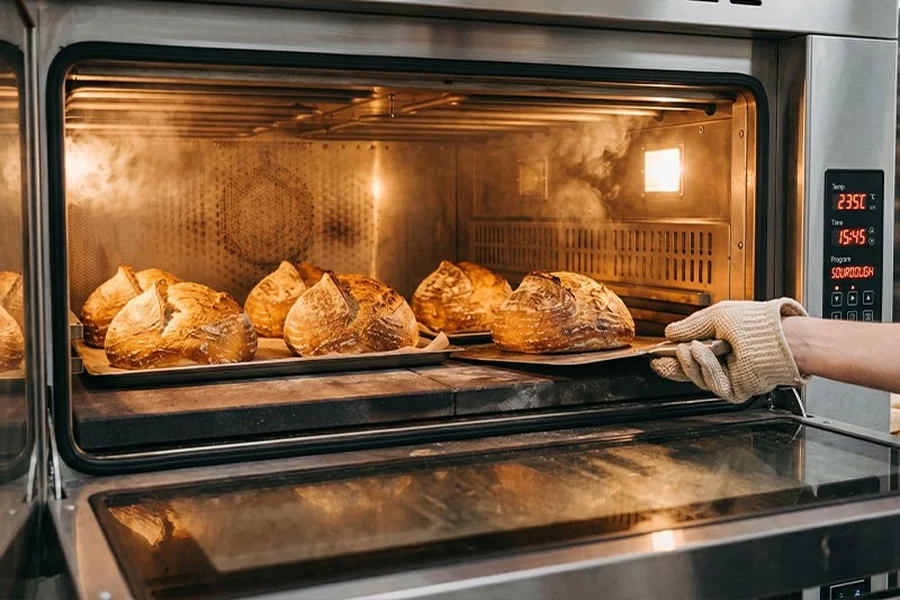
There is an undeniable romance associated with baking bread. The earthy aroma of fermenting yeast, the tactile satisfaction of kneading dough, and the golden crust of a freshly baked loaf all contribute to a craft that is as ancient as civilization itself. However, behind the rustic charm of a bustling bakery lies a critical, non-negotiable reality: clinical, uncompromising hygiene.
Whether you are operating a high-volume commercial bakery, an artisanal sourdough micro-bakery, or scaling up your home business, sanitation is the invisible ingredient in every successful loaf. Poor hygiene doesn’t just result in an untidy workspace; it leads to accelerated mold growth, compromised dough fermentation, pest infestations, and worst of all, foodborne illness.
In this comprehensive guide, we will explore the essential sanitation protocols required for bread baking. We will cover everything from ingredient handling and personal hygiene to the specialized cleaning techniques required for commercial convection, deck, and rotary ovens.
Personal Hygiene and Baker Habits
The most significant vector for contamination in any food production facility is the human element. Flour, water, and yeast create a highly active biological environment, meaning any introduced bacteria can thrive if given the right conditions.
Handwashing Protocols
In a bakery, hands are your primary tools. Proper handwashing must become muscle memory.
- When to wash: Bakers must wash their hands before starting a shift, after using the restroom, after handling raw ingredients (especially eggs or unpasteurized dairy), after touching their face or hair, and after handling trash.
- The technique: Use warm water (at least 100°F/38°C) and an unscented, antibacterial soap. Lather for a minimum of 20 seconds, paying special attention to the nail beds and cuticles where dough and bacteria frequently become trapped.
- Drying: Always use single-use paper towels or high-speed air dryers. Cloth towels harbor moisture and bacteria, entirely defeating the purpose of washing.
Uniforms and Apparel
A baker’s uniform is not just for aesthetics; it is a vital protective barrier.
- Light Colors: Traditional baker whites are worn for a reason. Light colors immediately show flour spills, grease, and dirt, signaling when an apron or coat needs to be changed.
- Apron Management: Never wear an apron into the restroom or outside the bakery premises. Aprons should be removed and hung in a designated clean area when leaving the production floor.
- Hair and Jewelry: All hair must be fully restrained using hairnets or tightly fitted baker’s caps. Beards require beard nets. Remove all rings, watches, and bracelets; dough easily gets stuck in the crevices of jewelry, creating a breeding ground for pathogens.
Ingredient Handling and Safe Storage
Bread may seem like a low-risk food because it is baked at high temperatures, but the raw ingredients carry hidden risks. Raw flour is a known agricultural product that is not treated to kill bacteria like E. coli or Salmonella before it reaches your kitchen.
The FIFO Method
“First-In, First-Out” (FIFO) is the golden rule of inventory management. When receiving new sacks of flour, grains, or yeast, they must be stored behind the older stock. This ensures ingredients are used before they degrade in quality or pass their expiration dates. Always label bulk storage bins with the intake date and the lot number in case of vendor recalls.
Managing Flour Storage
Flour is highly susceptible to pests, particularly flour mites and weevils, as well as ambient moisture.
- Off the Floor: Never store bags of flour directly on the ground. Use food-grade pallets or dunnage racks at least six inches off the floor to allow for sweeping and to prevent moisture wicking from the concrete.
- Climate Control: Keep the dry storage area cool and well-ventilated. High humidity causes flour to clump and encourages mold spores to activate prematurely.
- Bulk Bins: If transferring flour to bulk rolling bins, ensure the bins are thoroughly washed, sanitized, and completely dry before refilling. Never dump fresh flour on top of old flour.
Temperature Control for Perishables
While lean doughs (flour, water, salt, yeast) are mostly shelf-stable in their raw form, enriched doughs require strict temperature controls. Ingredients like butter, milk, eggs, and cheese must be kept out of the Danger Zone (40°F to 140°F or 4°C to 60°C). When prepping ingredients for brioche or challah, only pull what you need from the walk-in refrigerator for the immediate mix.
Workspace and Smallwares Sanitation
A bakery generates a massive amount of particulate matter. Flour dust settles on every available surface, and when mixed with ambient humidity, it creates a microscopic paste that bacteria and mold feed on.
Cleaning vs. Sanitizing
It is crucial to understand the difference between these two steps. Cleaning is the physical removal of visible debris, dough scraps, and grease using friction and soap. Sanitizing is the application of heat or chemicals to reduce invisible pathogens to safe levels. You cannot sanitize a dirty surface.
- Step 1: Scrape away dried dough using a bench scraper.
- Step 2: Wash the surface with hot, soapy water.
- Step 3: Rinse away the soap with clean water.
- Step 4: Apply a food-safe sanitizer (like a quaternary ammonium solution or diluted bleach) and let it air dry.
Caring for Bannetons and Couches
Artisan bakers rely heavily on porous materials like rattan bannetons (proofing baskets) and baker’s couches (linen cloths). These items cannot be run through a standard dishwasher.
- Bannetons: After knocking the dough out, allow the baskets to dry completely in a warm, well-ventilated area. Use a stiff bristled brush to aggressively brush out dried flour and dough flakes. Periodically, bake the empty baskets in a cooling oven (around 250°F/120°C) for 20 minutes to kill any lingering mold spores or weevils.
- Linen Couches: Never wash a baker’s couch in a washing machine, as the detergent ruins the fabric and the mechanical action destroys the fibers. Instead, scrape off dough gently, hang them to dry completely, and beat the flour out of them outdoors.

Oven Hygiene: The Heart of the Bakery
The oven is the engine room of any bakery. While the intense heat (usually above 400°F/200°C) kills most bacteria during the bake, poor oven hygiene dramatically impacts the quality of the bread, poses severe fire hazards, and can lead to mechanical failure.
Different ovens require highly specialized cleaning procedures. Here is a deep dive into maintaining the three most common commercial bakery ovens.
- Convection Ovens
Convection ovens use high-speed internal fans to circulate hot air, resulting in even baking and excellent crust development for items like baguettes and rolls. However, this forced air system creates unique hygiene challenges.
- The Fan and Baffle System: The fan continuously sucks in airborne flour dust, grease from enriched breads, and tiny carbonized crumbs. Over time, this mixture coats the fan blades and the baffle (the metal plate covering the fan). This buildup throws the fan off balance, reducing airflow efficiency and potentially circulating burnt particles back onto fresh bread.
- Cleaning Protocol: Once the oven is cool, remove the baffle plate (most are designed to be easily unbolted). Scrub the baffle and the fan blades using a heavy-duty degreaser and a wire brush. Wipe down thoroughly with a damp cloth to ensure no chemical residue remains before baking.
- Door Gaskets: The rubber or fiberglass seals around the oven door trap moisture and crumbs. If left uncleaned, these seals degrade, allowing heat to escape (ruining your bake times) and creating a harbor for pests. Wipe down the gaskets daily with a mild detergent and a soft cloth.
- Glass Maintenance: Baked-on grease on the oven doors makes it impossible to monitor your bread. Clean the glass daily using a specialized commercial oven glass cleaner. Avoid abrasive scouring pads that can scratch the tempered glass, which may lead to shattering under high heat.
- Deck Ovens
Deck ovens are the gold standard for artisan sourdough and hearth breads. They feature thick stone or ceramic decks that retain massive amounts of heat. Because bread is often loaded directly onto the stone, deck oven hygiene directly affects the flavor of the crust.
- Managing the Hearth Stone: The golden rule of deck ovens is: Never use soap or chemical cleaners on the baking stones. Cordierite and ceramic are highly porous. They will absorb soapy water and transfer a chemical taste to every loaf of bread you bake for months.
- Daily Sweeping: Between every single bake, use a natural-bristle oven brush to sweep out semolina, cornmeal, and flour. If left on the deck, these dusting flours carbonize, turn black, and impart a bitter, burnt, acrid flavor to the bottom of the bread.
- Dealing with Spills: If a loaf bursts or cheese/fruit leaks onto the stone, do not try to wipe it while it is soft. Let it bake into a hard cinder, then use a long-handled metal deck scraper to chisel it off.
- Deep Cleaning the Stone: Once a week, when the oven is turned off but still warm, wrap a lightly damp (not dripping wet) heavy towel around your oven brush and quickly sweep the deck. The residual heat will flash-steam the water, helping to lift stubborn microscopic ash without cracking the stone.
- Steam Injection Systems: Deck ovens rely on internal steam generators for crust development. Hard water causes calcium and limescale buildup in the steam pipes, blocking the nozzles. Ensure your bakery is using a robust water filtration or reverse osmosis system to feed the oven, and descale the steam generators according to the manufacturer’s schedule.
- Rotary Rack Ovens
Rotary ovens are used in high-volume production. A baker rolls an entire multi-tiered rack of bread into the oven, where it is lifted and rotated through the hot air. These are massive machines with moving mechanical parts inside the baking chamber.
- The Rotating Carriage and Lifting Mechanism: The hook or platform that lifts the rack is subjected to immense heat and weight. Grease from baking pans and airborne flour constantly settle on these moving parts.
- Lubrication and Cleaning: The lifting mechanism must be wiped down weekly to remove carbonized grease. More importantly, it must be lubricated using strictly food-grade, high-temperature grease. Standard industrial lubricants are toxic and will off-gas dangerous fumes into the baking chamber.
- Rack Tracks and Floor: The floor of a rotary oven takes a beating. Bakers roll heavy, often wet or floury racks in and out all day. Crumbs and debris get crushed into the floor and tracks. If the tracks become clogged, the rack won’t seat properly, which can jam the rotation mechanism. Sweep and vacuum the oven floor at the end of every production shift.
- The Racks and Baking Pans: The hygiene of the rotary oven extends to the racks themselves. Over time, baking racks become coated in a sticky polymer of vaporized baking spray and grease. Racks should be power-washed and degreased monthly to prevent them from becoming fire hazards and to ensure they remain sanitary when rolled from the dirty dish area back into the clean proofing room.
Air Quality and Flour Dust Management
In a bakery, hygiene isn’t just about what is on the tables; it is about what is in the air.
Airborne flour dust is one of the most insidious hygiene challenges in bread production. When flour dust settles on damp surfaces—like the areas around sinks, dishwashers, or proofing retarders—it forms a paste that acts as a perfect food source for toxic black mold. Furthermore, continuous inhalation of airborne flour can lead to “Baker’s Asthma,” a severe occupational respiratory condition.
- Ventilation: Ensure your bakery has a high-quality HVAC system with commercial-grade particulate filters. These filters must be changed monthly.
- Dust Containment: Train your staff to handle flour gently. Do not aggressively dump 50lb bags of flour into the mixer. Lower the bag into the bowl and pour slowly. Use bowl guards on planetary and spiral mixers to contain the dust cloud when the machine turns on.
- Dry Sweeping vs. Wet Mopping: Never use a wet mop on dry flour spills; you will instantly create glue that is nearly impossible to clean. Always sweep up or use a shop-vacuum for dry flour first, and only use wet mops for the final sanitizing pass.
Pest Control in the Bakery
Bakeries are highly attractive to pests. The abundance of grains, the warmth of the ovens, and the availability of water create an ideal habitat for rodents, cockroaches, and pantry moths. A single pest sighting can destroy a bakery’s reputation and lead to immediate closure by health inspectors.
- Seal the Envelope: Inspect the exterior of your bakery. Mice can squeeze through a gap the size of a dime. Ensure all doors have heavy-duty sweeps installed at the bottom. Seal any cracks around plumbing fixtures and electrical conduits with steel wool and expanding foam.
- Waste Management: Dumpsters should be kept as far away from the back door as possible. Inside the bakery, trash cans must have tight-fitting lids and be emptied multiple times a day. Never leave garbage inside the bakery overnight.
- Professional Services: Do not rely on DIY pest control. Contract a licensed commercial pest control operator to implement a preventative Integrated Pest Management (IPM) program. They will install secure bait stations and monitor insect traps regularly without using chemicals that could contaminate your food supply.
Establishing a Master Cleaning Schedule (MCS)
Hygiene in a bakery cannot be left to chance or handled “when we have time.” It must be systematized. A Master Cleaning Schedule (MCS) is a documented plan that details exactly what needs to be cleaned, who is responsible, how it should be cleaned, and how often.
- Daily Tasks (Shift End): Sweeping and vacuuming floors, scraping down wooden workbenches, sanitizing stainless steel prep tables, washing all mixing bowls and dough hooks, emptying trash, sweeping deck ovens, wiping down convection oven glass.
- Weekly Tasks: Deep cleaning the floors (deck brushing with degreaser), cleaning the exterior of refrigerators and proofers, scrubbing the sink drains, sanitizing flour bins, lubricating rotary oven mechanisms, brushing out bannetons.
- Monthly Tasks: Pulling large equipment (mixers, retarders) away from the walls to clean behind them, deep cleaning the oven racks, washing the walls and ceilings to remove grease and flour dust, replacing HVAC filters, deep descaling steam generators.
Keep printed checklists on clipboards around the bakery and require staff to initial them when tasks are completed. This creates accountability and provides a verifiable record for health inspectors.
Conclusion
Mastering bakery hygiene is an ongoing discipline. It requires as much attention to detail as calculating dough hydration or monitoring fermentation times. By implementing strict personal hygiene standards, controlling your ingredient storage, managing the invisible threat of flour dust, and meticulously maintaining your specialized ovens, you protect your customers, your staff, and your livelihood.
Great bread is born from a synergy of art, science, and sanitation. When you treat your bakery’s cleanliness with the same reverence you treat your sourdough starter, you guarantee a product that is not only delicious but fundamentally safe.
